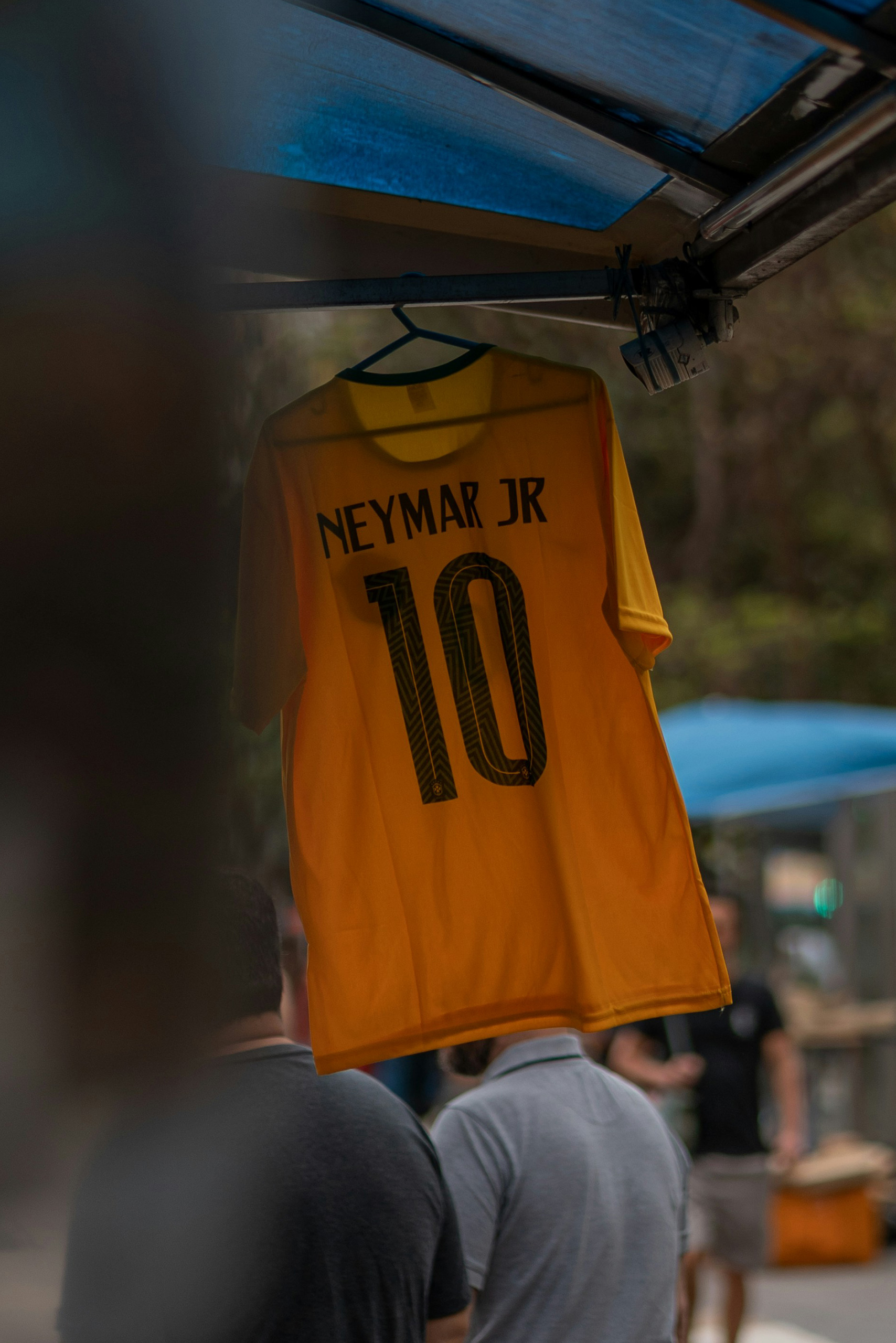
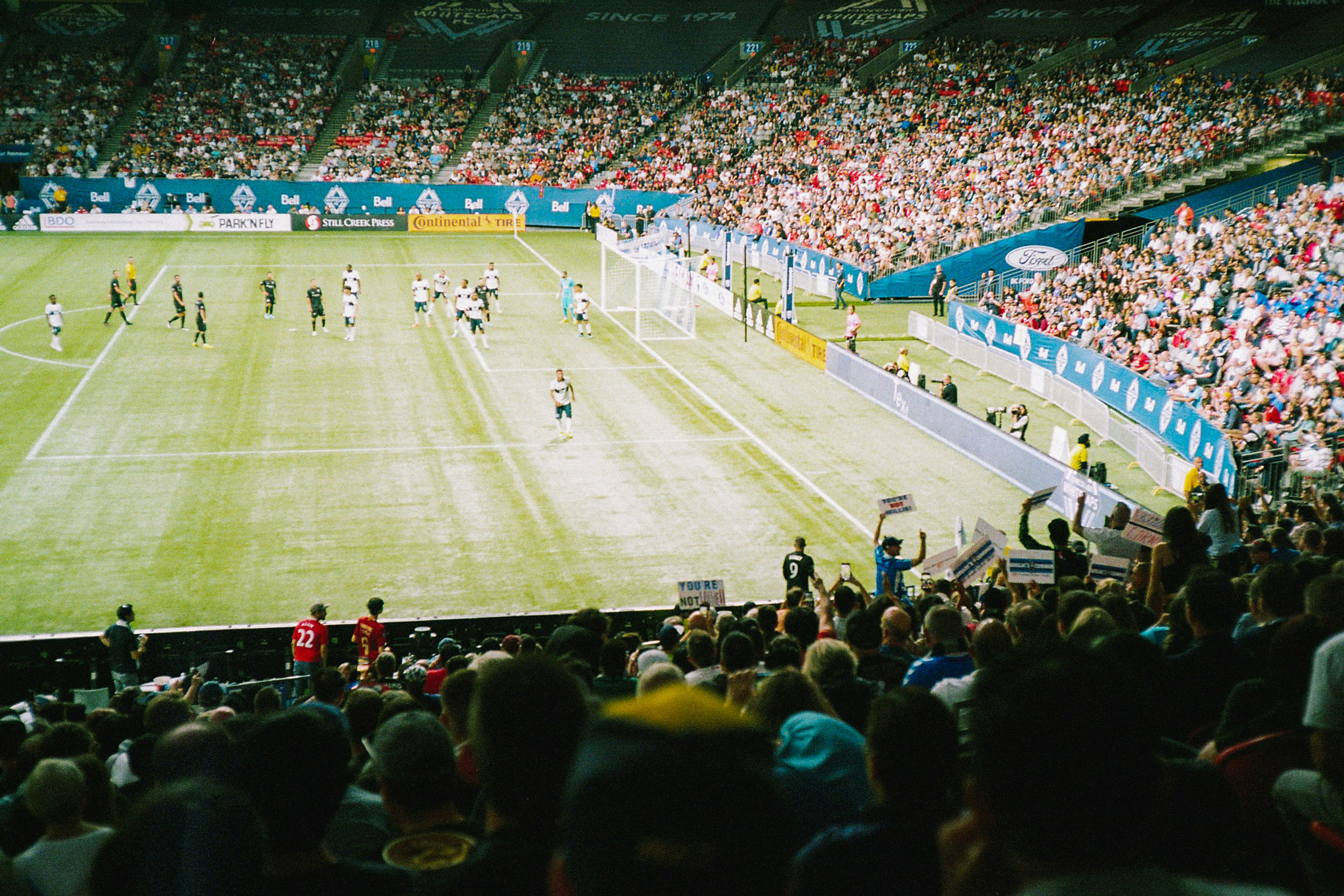
The World Cup is not merely football. It is narrative, identity, national pride, collective consumption and a vast engine for historic moments.
According to FIFA, the 2022 edition reached more than five billion people worldwide during the tournament, reinforcing its status as one of the largest media phenomena on the planet.
Precisely because it mobilizes the emotions of those who love the sport and those who simply appreciate a great spectacle, it has become one of the most powerful environments for brands seeking cultural relevance.
In an era of hyperconnectivity, the World Cup no longer unfolds only on the pitch.
It also takes place on TikTok, in WhatsApp groups, across live broadcasts, through memes and in the way people gather to watch matches together.
Reports from Nielsen Sports show that multiplatform consumption and second screen behavior have become structural elements of the sports experience, particularly among younger audiences.
One of the clearest trends is the transformation of the tournament into a continuous and multiplatform event.
The match itself is only one moment within a broader cycle that includes anticipation, live reactions, post match analysis, remixed highlights and conversations that spread instantly across platforms.
Communication that resonates understands the rhythm of this digital conversation. It is fast, contextual and guided by timing that approaches journalistic responsiveness.
Studies from Kantar show that campaigns capable of responding to cultural moments tend to generate stronger brand recall during major live events.
Emotion driven narratives also gain prominence.
Football is built on passion, and communication in this environment must feel human rather than promotional. Stories of resilience, family tradition and belonging generate stronger connections than grand slogans.
Research from Ipsos indicates that emotionally engaging campaigns significantly outperform others in metrics related to connection and purchase intent.
Another important transformation is the growing influence of creators.
The World Cup is no longer narrated exclusively by official broadcasters. Streamers, influencers and independent commentators shape the conversation in real time.
According to Deloitte, the creator economy has become one of the most influential cultural forces surrounding global sporting events.
Digital language has its own dynamics as well.
Memes remain the unofficial language of the World Cup. A single play can become a global symbol within minutes.
Studies on internet culture and brand engagement suggest that brands that participate in these cultural dynamics with authenticity strengthen their perceived proximity to audiences.
Personalization also gains importance.
The World Cup audience is diverse and global. Research from McKinsey indicates that consumers increasingly expect segmented and contextualized experiences, even during large scale events.
As a result, modular campaign structures are becoming more common. A central concept is developed and then adapted into multiple narratives depending on region, platform and audience profile.
Hybrid experiences represent another key dimension.
The World Cup functions as a collective ritual, and in person activations connected to digital environments such as fan festivals and public screenings amplify emotional impact.
Research from EventTrack shows that live experiences generate stronger brand associations when connected to culturally significant and emotionally charged moments.
Finally, brands increasingly face expectations around coherent positioning.
Major sporting events are embedded in complex social and political contexts. Studies from the Edelman Trust Barometer indicate that audiences expect companies to express clear values, but only when those positions are consistent with their history and actions.
At its core, the main communication shift around the World Cup is simple.
The objective is no longer to interrupt audiences with advertising. It is to participate in the collective experience.
The tournament is conversation, emotion and ritual.
Brands that understand this dynamic move beyond the role of advertiser and become part of the shared memory of millions.
When the final whistle sounds, that is what remains.
Not only who won, but the stories the world told together.