
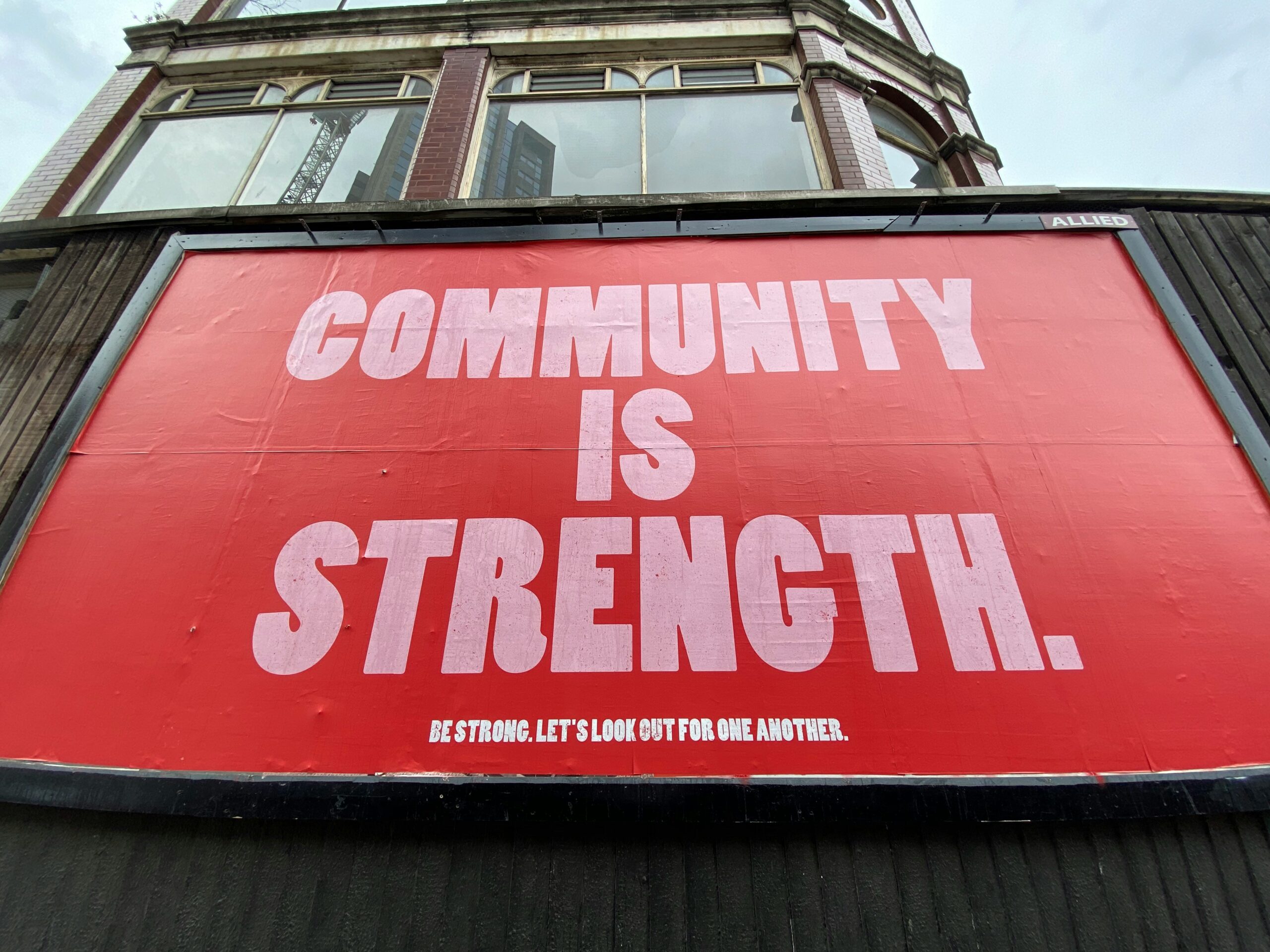
Extreme weather events have become increasingly frequent across different regions of Brazil. Intense rainfall, floods and landslides affect entire cities, cause human and material losses and mobilize society. In moments such as these, companies and brands inevitably become part of the public conversation. How they position themselves, or choose not to position themselves, becomes relevant.
Natural disasters immediately alter the social context. Communities enter emergency situations, public services face pressure and the population seeks information, support and solidarity. Within this environment, brand communication ceases to be purely institutional and begins to carry a dimension of responsibility.
The first aspect to consider is tone. During humanitarian crises, audiences tend to reject communication that appears disconnected from reality. Promotional campaigns or overly optimistic commercial messages can feel inappropriate when the broader social climate is marked by concern and suffering. Sensitivity to context becomes essential.
This does not mean brands should disappear from the public conversation. On the contrary, many companies possess resources, reach and logistical capabilities that can contribute in meaningful ways during emergency situations. Donations, support for local initiatives, the use of infrastructure to assist communities or fundraising campaigns are examples of actions capable of generating tangible impact.
When such support occurs, communication should prioritize transparency and usefulness. Explaining how the company is contributing, what actions are being implemented and how the public can participate often builds more trust than generic expressions of solidarity.
Another important dimension is consistency. The public evaluates not only the immediate gesture but also the broader trajectory of the brand. Companies that demonstrate sustained commitment to social responsibility tend to have their initiatives interpreted as legitimate. Isolated actions disconnected from an organization’s history may instead be perceived as opportunistic.
Natural disasters also expand the debate about the role of companies in society. Issues related to sustainability, urban infrastructure and environmental resilience inevitably enter the public agenda. Brands that engage with these discussions in a serious and consistent manner tend to strengthen their credibility over time.
Ultimately, positioning in the face of crises such as floods or climate-related tragedies is not merely a communication decision. It is a matter of institutional responsibility.
Society observes how organizations use their resources, their voice and their capacity to mobilize when circumstances become difficult.