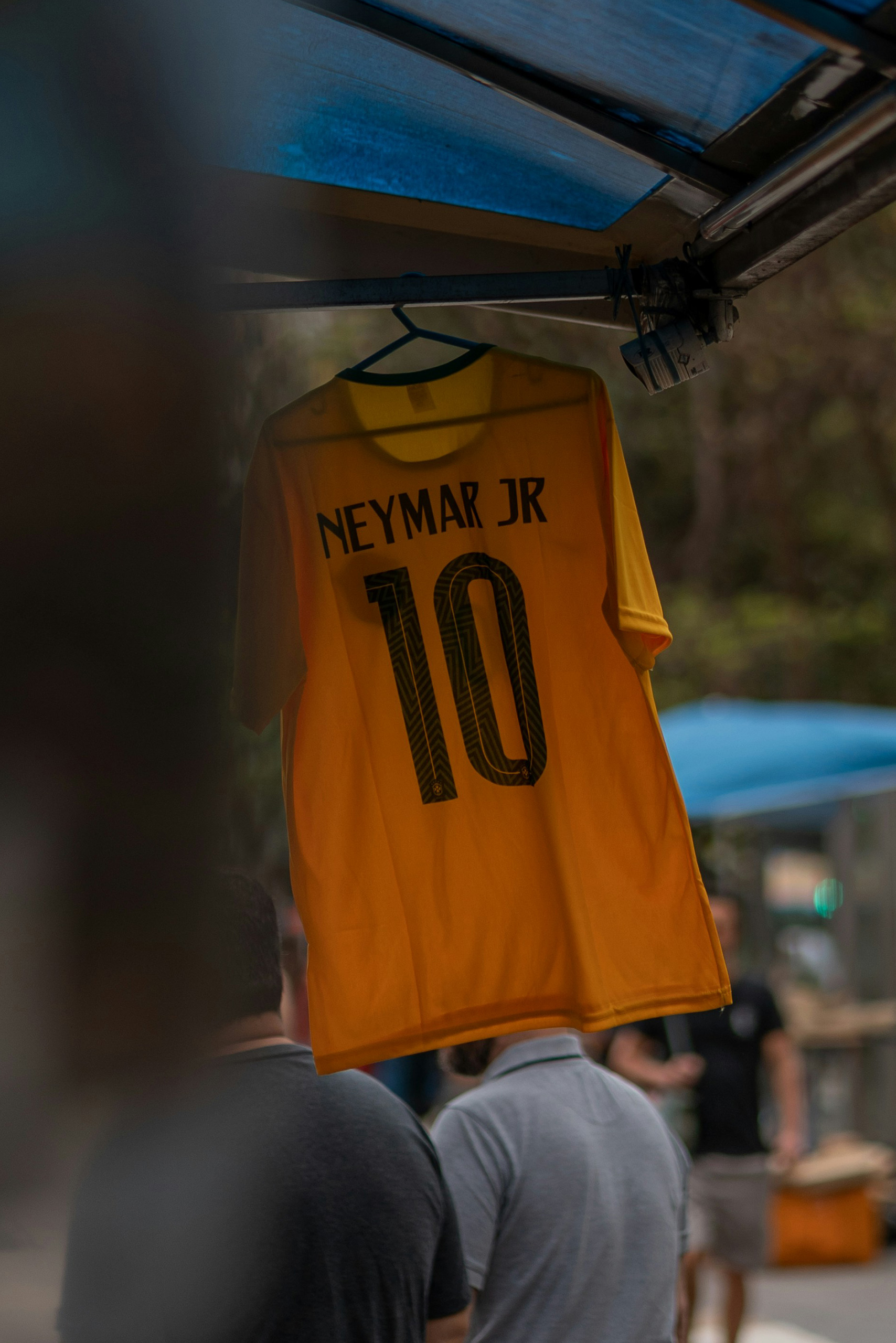
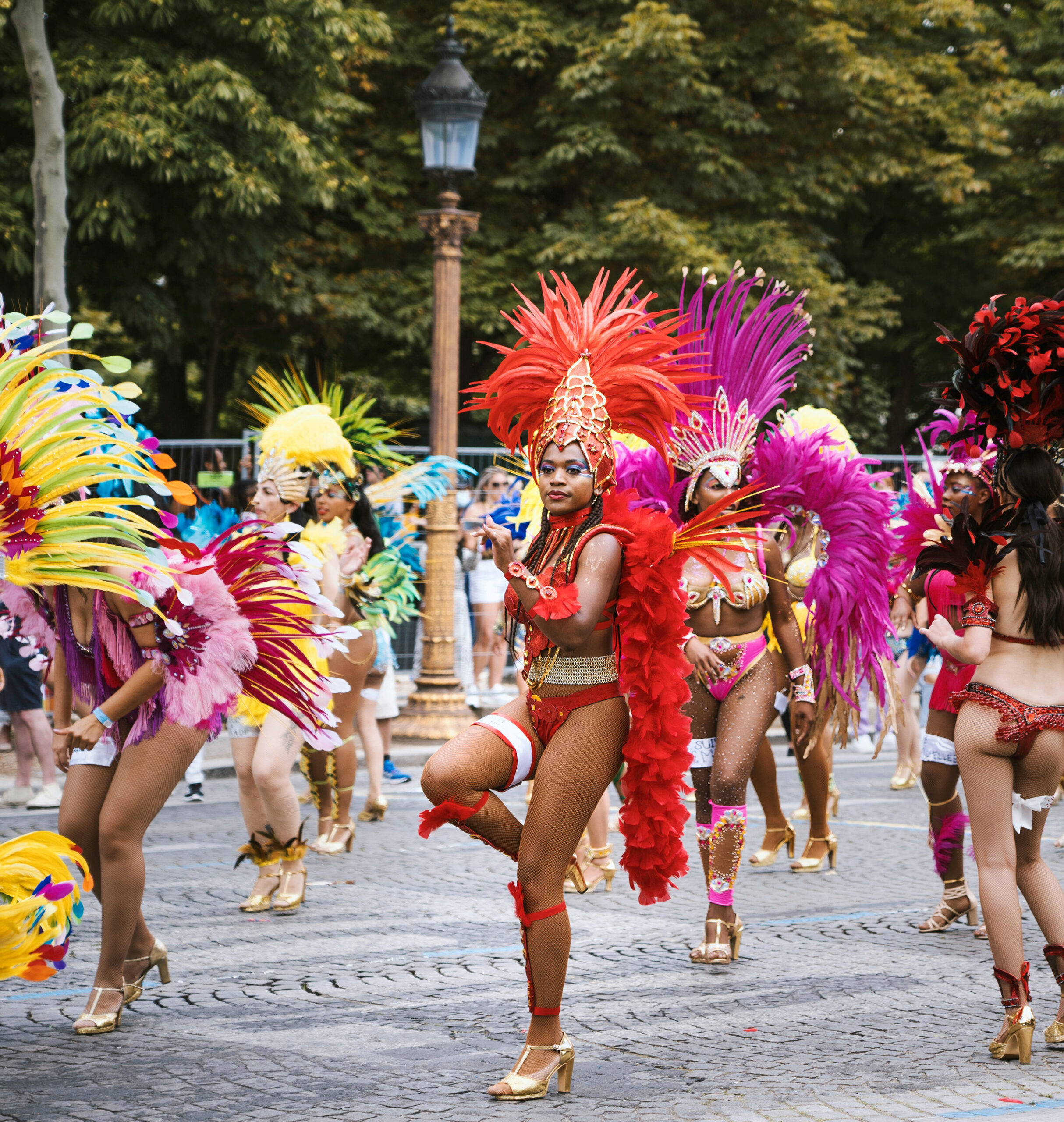
Carnival has always been a space for creativity, emotion and collective connection. For brands, it has also become one of the most strategic moments in the communications calendar.
In 2026, this cultural force unfolds within a more complex landscape defined by hyperconnected consumers, artificial intelligence embedded in everyday routines and rising expectations for authentic experiences.
Visibility alone is no longer sufficient. Brands must feel part of the celebration.
One of the defining trends for Carnival 2026 is the integration of physical and digital environments. The festivities continue in the streets through blocos, parades and electric trios, but they also unfold simultaneously across social platforms, live broadcasts and interactive digital experiences.
Brands capable of creating hybrid activations that originate in the streets and expand into digital environments significantly extend both reach and engagement.
Custom filters, QR codes on festival attire, augmented reality experiences and real time content transform each moment into something shareable and memorable.
Within this context, artificial intelligence shifts from emerging trend to operational infrastructure.
Carnival campaigns in 2026 are increasingly personalized, adapting messages according to location, behavior and audience profile. The same brand may communicate differently with those attending street blocos, those watching parades from home and those using the holiday as an opportunity to travel.
Communication becomes contextual, more relevant and less generic. In a period saturated with advertising, that distinction carries real value.
Authenticity also gains greater importance.
Carnival is a living cultural expression that is spontaneous and collective by nature. Brands that attempt to impose a narrative often appear artificial.
For this reason, community generated content becomes central. Encouraging audiences to share their costumes, outfits and personal moments creates a narrative that feels more organic and powerful than heavily scripted campaigns.
Storytelling becomes collaborative. The brand creates the stage, but the audience shapes the story.
Influencer marketing is also evolving.
Associating with large celebrities was once enough. The focus now shifts toward creators who are connected to specific niches and cultural territories. Micro and mid sized influencers with strong regional or thematic connections often generate more consistent impact than large but generic profiles.
Reputation management and coherence of voice also become essential, particularly in an environment of intense visibility such as Carnival.
Regionalization represents another important movement.
Carnival is not a single uniform event. It takes different forms, rhythms and meanings across cities. Salvador, Recife, Rio de Janeiro, São Paulo and many other locations experience the celebration in distinct ways.
Effective campaigns recognize these differences and adapt language, aesthetics and narrative to local identities. Cultural sensitivity strengthens connection and avoids superficial approaches.
Sustainability also becomes increasingly relevant.
Environmental impact and social responsibility influence consumer perception, even during festive periods. Brands that demonstrate genuine commitment by reducing waste in activations, supporting cultural initiatives or promoting social actions linked to the celebration build stronger reputational capital.
This is not a matter of rhetoric. It is a matter of practice.
Another visible shift concerns the timeline of communication.
Instead of concentrating campaigns only during the official days of Carnival, brands increasingly build narratives that begin before the celebration and continue afterward.
Communication becomes a journey composed of anticipation, experience and memory.
The pre Carnival period builds momentum. During the festivities, the brand activates and interacts. After the celebration, the narrative continues through content, stories and shared experiences.
Carnival 2026 will therefore be less about interruption and more about participation.
Less about volume and more about relevance.
Brands that understand the celebration as a cultural phenomenon rather than a commercial showcase will be better positioned to create campaigns that resonate with audiences.
What ultimately makes Carnival unforgettable is not the loudest message.
It is the most genuine connection.