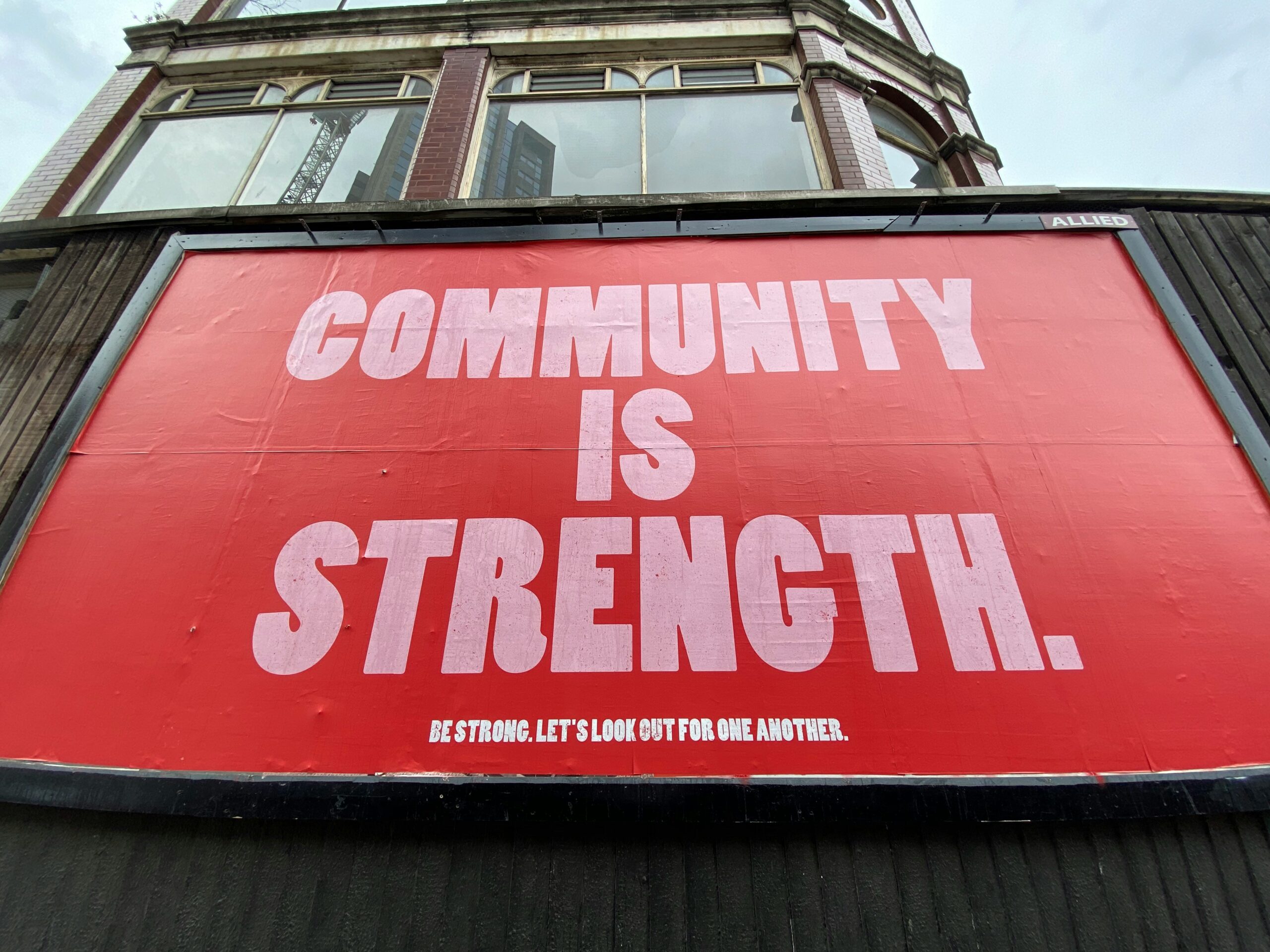

Politics is no longer confined to institutional spaces; it now directly influences consumer behavior, communication, and brand perception. In an increasingly connected world, political positioning crosses every segment — from entertainment and sports to corporations and public figures — making it impossible to completely separate image, opinion, and market dynamics, especially during election years.
Today, consumers are not only paying attention to products and services, but also to values, narratives, and public positioning. As a result, brands are constantly pressured to speak out on social, economic, and political issues. In many cases, silence itself is interpreted as a stance. The challenge is that, during election periods, any political association can generate both connection and rejection.
Digital communication has intensified this reality. Social media has transformed opinions into engagement assets, and public figures now directly influence political debates. Artists, athletes, influencers, and entrepreneurs mobilize massive audiences and help shape public narratives. Consequently, brands associated with these personalities often absorb part of the positive and negative reactions they generate.
The growing number of major companies facing social media boycotts demonstrates how politics and consumer behavior are becoming increasingly interconnected. Depending on the stance adopted, a brand may strengthen ties with certain audiences while alienating consumers with different views. During election years, this risk becomes even greater, as polarization intensifies and turns virtually any statement into a topic of public debate.
At the same time, this environment also creates strategic opportunities. Brands capable of positioning themselves with consistency, authenticity, and alignment with their core values tend to strengthen their identity and emotional connection with consumers. The issue is rarely the positioning itself, but rather the lack of coherence. Consumers quickly recognize when messages appear opportunistic or merely attempts to capitalize on temporary political and social trends.
Beyond brands, public figures also use politics as a tool for image building. Many artists, influencers, and celebrities have understood that positioning generates visibility, engagement, and cultural relevance. In an attention-driven era, participating in public debates has also become a strategy for remaining at the center of conversations.
On the other hand, excessive political association can generate reputational damage and limit commercial reach. Companies that depend on broad audiences often need to carefully balance messaging, institutional neutrality, and social responsibility in order to avoid unnecessary crises.
Ultimately, politics has become a definitive part of contemporary communication. During election years, this relationship intensifies and demands even greater attention from brands, companies, and public figures. Today, communication is no longer just about selling products or building image — it also means understanding social context, collective behavior, and the impact that positioning can generate in an increasingly polarized and connected society.