
The second quarter of the year is usually a decisive moment for brands and companies. After initial planning and the market’s first movements, this is the period when many organizations adjust strategies, reposition campaigns, and seek to consolidate results for the remainder of the year. In 2026, however, the scenario demands even greater attention: elections, the World Cup, geopolitical instability, artificial intelligence, hyperconnectivity, and shifts in digital consumer behavior are making communication more dynamic — and more sensitive — than ever before.
In this context, some trends continue to stand out as essential for brands seeking to maintain relevance, connection, and competitiveness in the coming months.
One of the main strategies remains the development of more humanized and authentic communication. Audiences are increasingly tired of overly commercial messaging and are placing greater value on brands capable of creating real, transparent conversations connected to everyday life. Companies investing in behind-the-scenes content, more natural language, and consistent positioning tend to generate stronger identification and engagement.
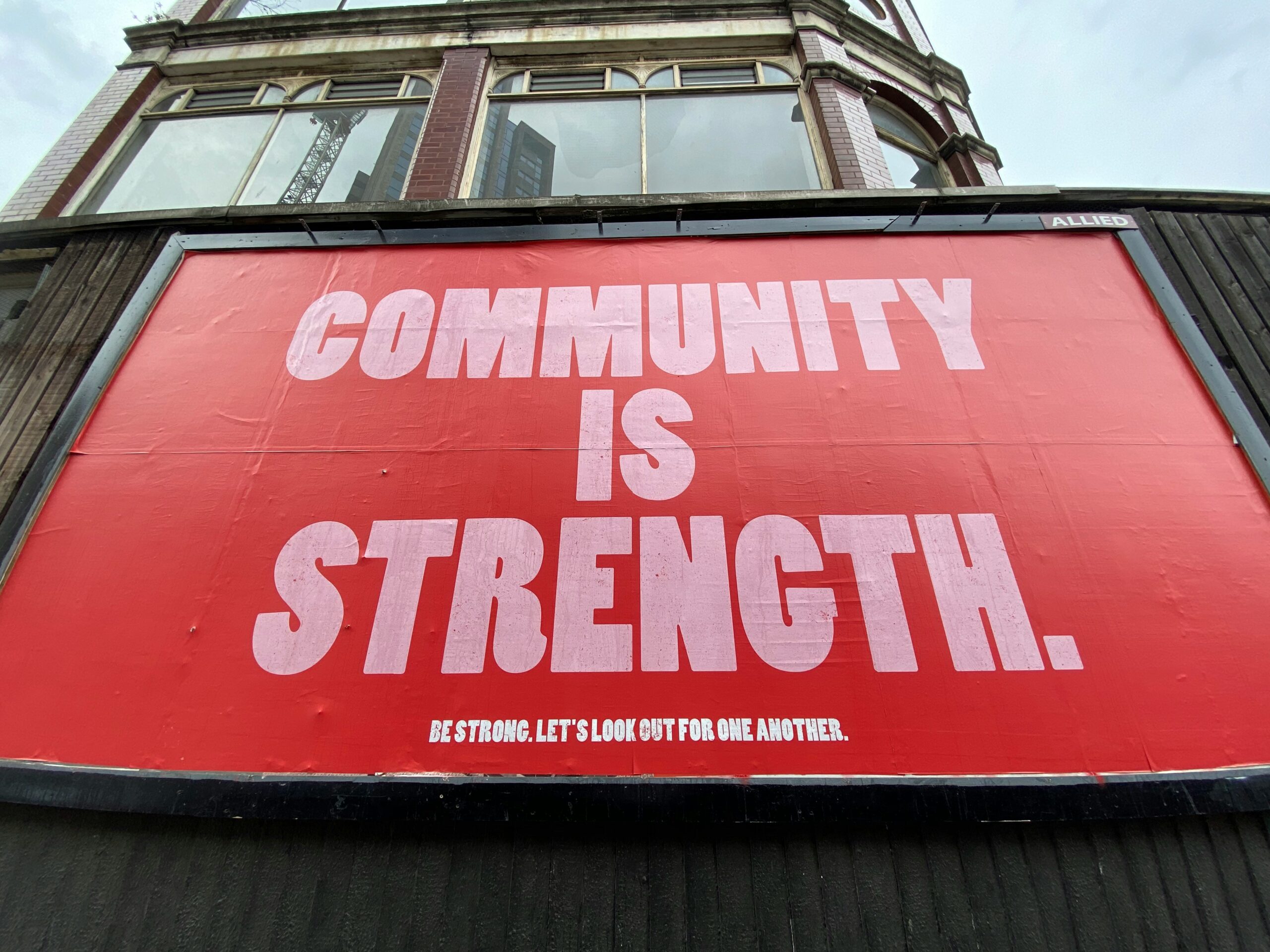
At the same time, community-driven marketing continues to gain strength. More than simply reaching large audiences, brands now need to strengthen relationships with specific niches and emotionally connected communities. Consumers want to feel a sense of belonging, and companies capable of building communities around shared values, experiences, or lifestyles significantly expand their digital relevance.
Another unavoidable trend is the strategic use of Artificial Intelligence. AI tools continue to revolutionize content production, customer service, data analysis, and campaign personalization. However, during this second quarter, the competitive advantage will not come solely from using AI, but from using it with balance and authenticity. At a time of growing concern over fake news, deepfakes, and artificial content, the human factor regains importance as a symbol of trust and credibility.
Short-form video also remains dominant. Platforms such as TikTok, Instagram Reels, and YouTube Shorts continue shaping digital communication and influencing consumer behavior. Fast, spontaneous, and emotionally engaging content still offers strong organic reach potential, especially when connected to cultural trends and current conversations.
In addition, this year’s second quarter is expected to intensify the relationship between politics, consumer behavior, and communication. As the electoral environment gains momentum, brands will need to pay closer attention to positioning, campaigns, and public associations. Consumers are increasingly observing corporate values, and virtually any communication can be interpreted politically. In this environment, institutional consistency will matter far more than opportunistic attempts at engagement.
Sporting events, political debates, global economic movements, and discussions surrounding technology and innovation are also expected to directly influence communication strategies. Brands capable of connecting their narratives to current cultural and social conversations — without losing authenticity — will likely generate greater relevance and public engagement.
Finally, one of the most important strategies for this second quarter may be the ability to adapt quickly. Digital behavior changes constantly, crises emerge in real time, and trends evolve within days. Companies capable of monitoring scenarios, adjusting language, and responding rapidly to changing contexts will hold a significant advantage in an increasingly accelerated environment.